
Categories
- Articles

- Blogs and Op-eds
- News
- Quora Questions and More
Related Products

Balidan Param Dharma Tote Bag



Related Books
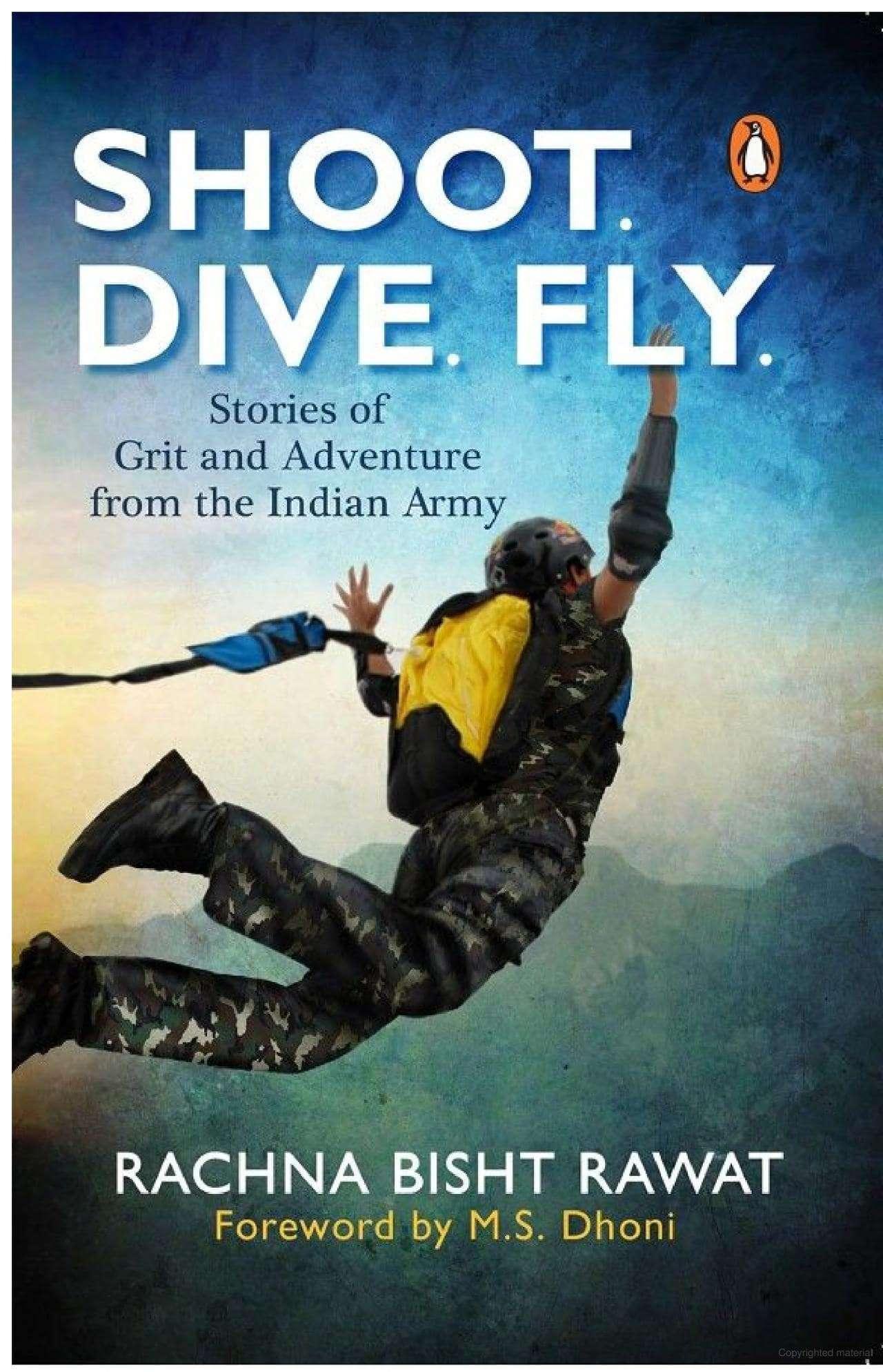
Shoot. Dive. Fly.: Stories of Grit and Adventure from the Indian Army
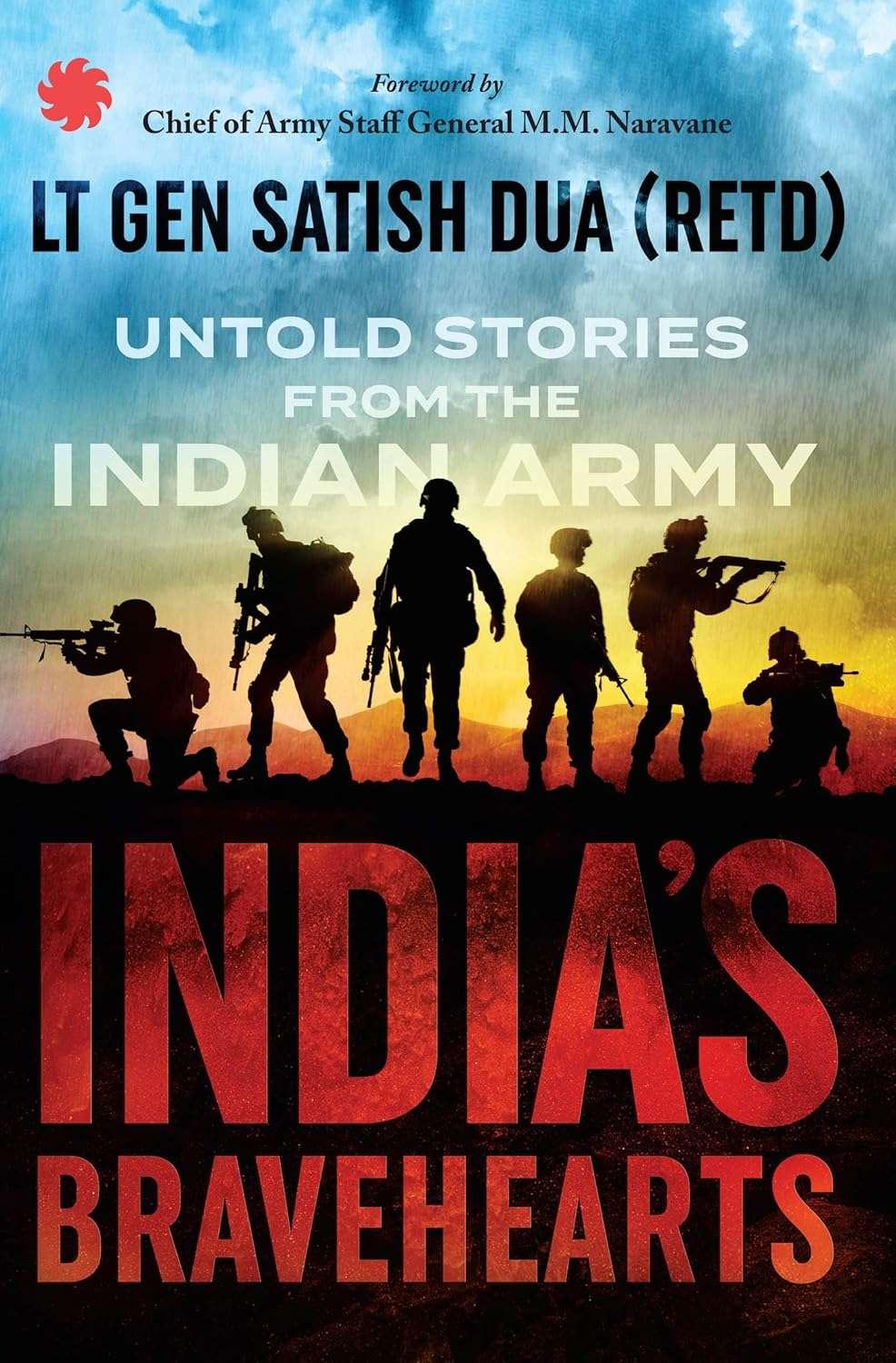
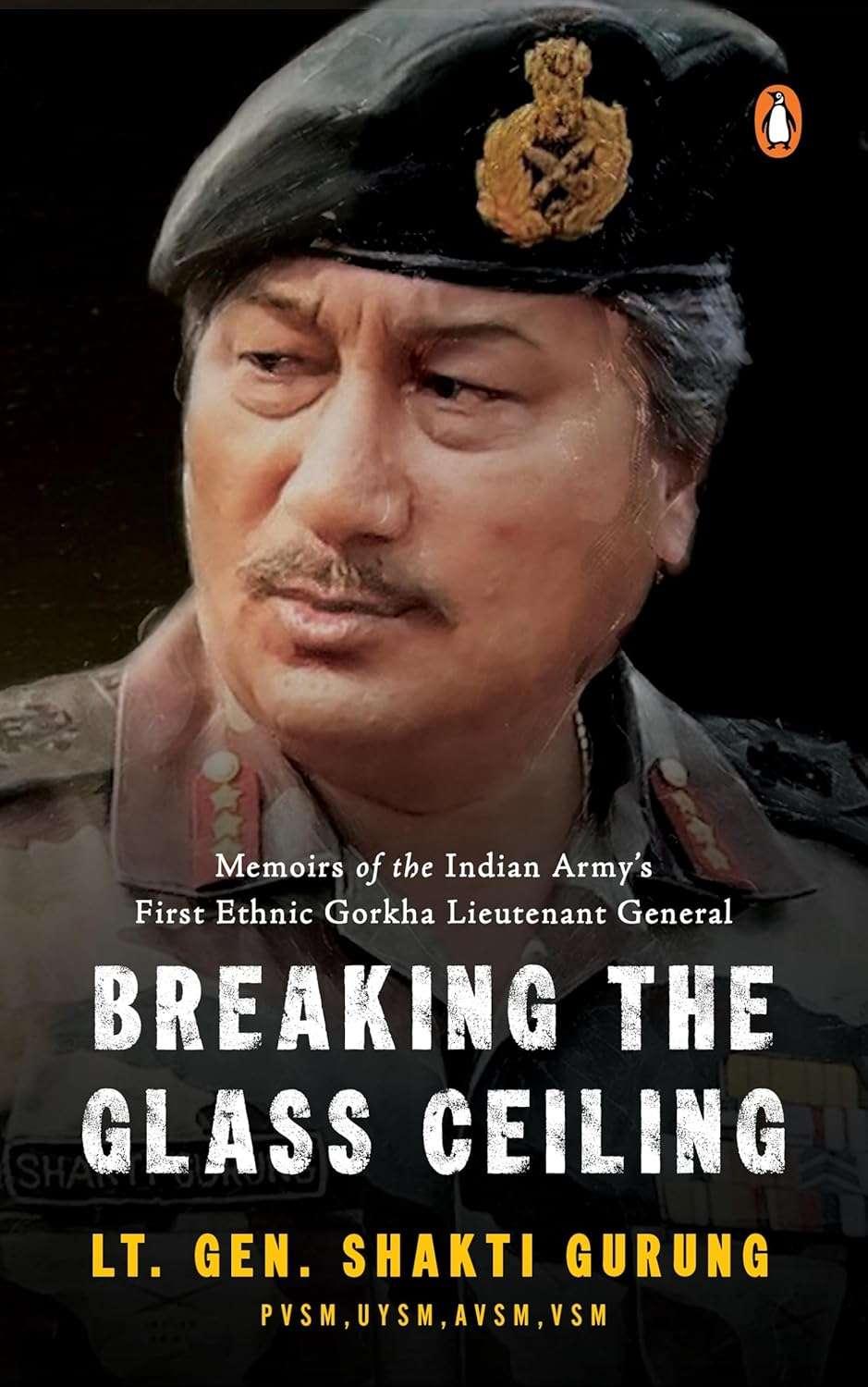
Army Day Special: Remembering KM Cariappa and the Birth of India’s Military Leadership
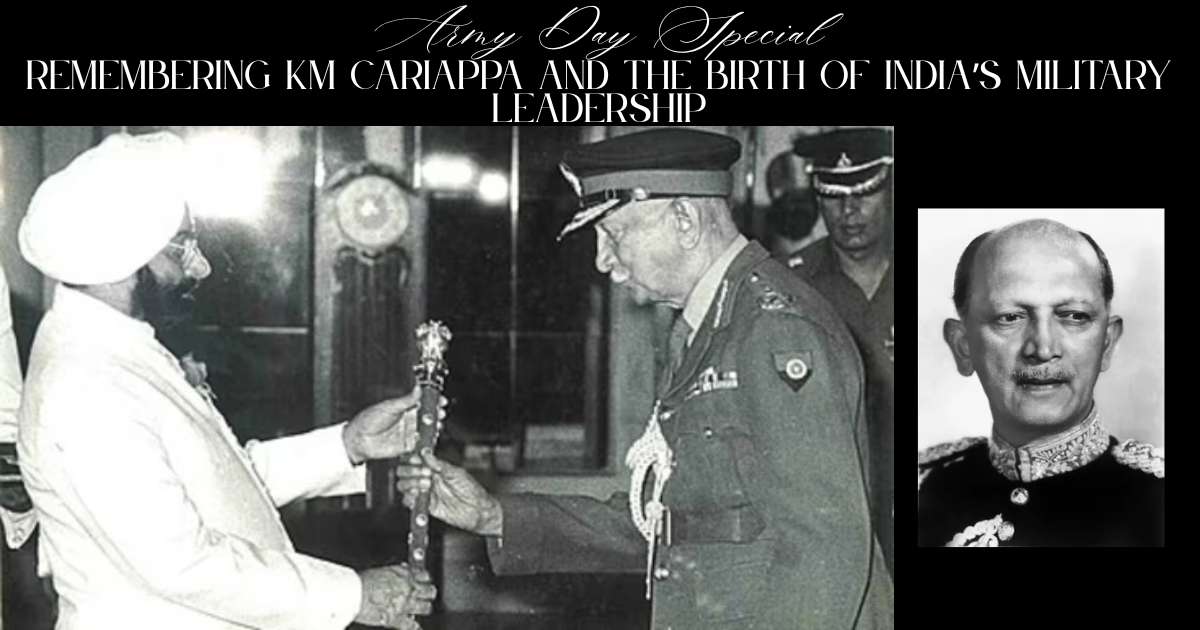 Army Day Special
Each year on 15 January, India pauses to honour a pivotal moment in its modern history—the day when Field Marshal Kodandera Madappa Cariappa, OBE, became the first Indian Commander-in-Chief of the Indian Army, marking the birth of truly independent Indian military leadership. This day, celebrated as Army Day, is more than a ceremonial parade; it is a tribute to the values of courage, discipline and unwavering service to the nation that Cariappa embodied throughout his life.
Also read: Understanding the Indian Army Ranks and Insignia: All You Need to Know
From the Hills of Kodagu to the Helm of the Army
Kodandera M Cariappa was born on 28 January 1899, in the serene hills of Shanivarsanthe in Coorg (now Kodagu district, Karnataka). Raised in a family rooted in traditional agricultural life, his early education was modest but marked by curiosity and vigour. A keen sportsman with a flair for tennis and field hockey, young Cariappa displayed the leadership traits that would later define his military career.
At a time when Indian participation in the British military was limited, Cariappa was among the first batch of Indians selected for training as a King’s Commissioned Indian Officer (KCIO) after World War I. Sent to Daly Cadet College in Indore, he earned his commission and joined the Carnatic Infantry. Over the next decades, he would rise steadily, proving himself across diverse theatres, including the Middle East and Burma, during the Second World War.
Breaking Barriers in a Transitional Era
Under British colonial rule, Indian officers rarely held command positions. Cariappa was a trailblazer in this regard—in 1942, he became the first Indian officer to command a battalion, a remarkable achievement that foreshadowed his future leadership roles.
With India nearing independence in 1947, the task of restructuring the British Indian Army fell to a handful of Indian commanders. Cariappa was entrusted with the formidable task of overseeing the division of the army between India and Pakistan, a delicate job that demanded not only strategic skill but also enormous personal integrity.
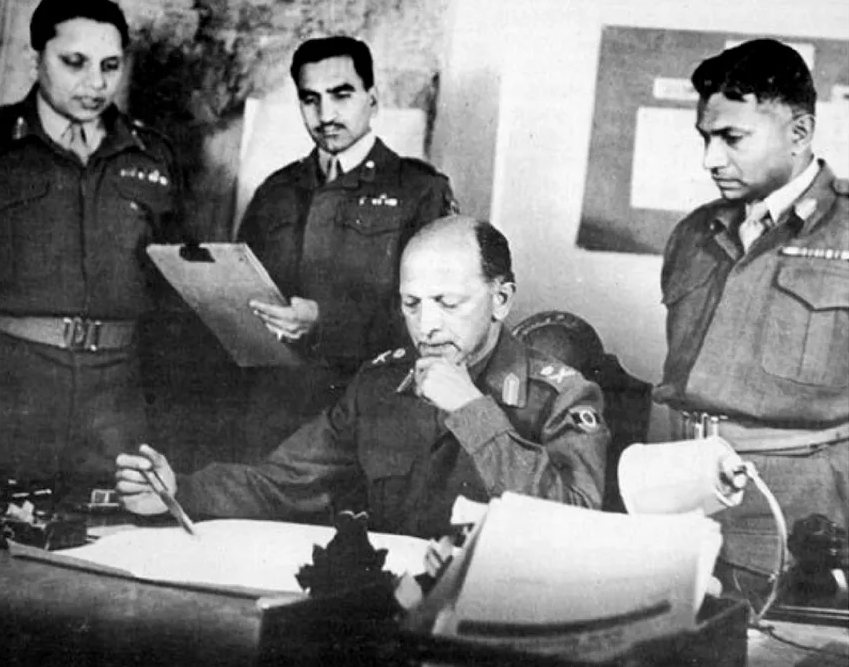 [Image Credit: The Better India]
He then led Indian forces on the Western Front during the Indo-Pakistani War of 1947–48, securing key positions such as Zojila and establishing vital links to Leh, demonstrating tactical acumen and resilience in the face of adversity.
15 January 1949: A Defining Moment
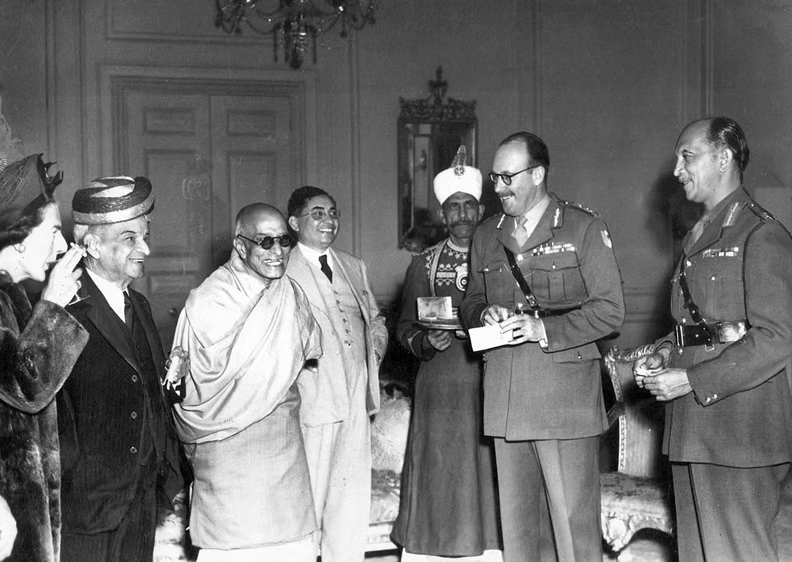 [Image Credit: Rashtrapati Bhavan]
The catalyst for the celebration of Army Day occurred on 15 January 1949, when Lieutenant-General Cariappa assumed command of the Indian Army from General Sir Francis Roy Bucher, the last British Commander-in-Chief. This transfer of power was not just symbolic; it represented the assertion of India’s sovereignty over its defence forces and the emergence of Indian leadership at the highest level of military command.
That momentous event laid the foundation for a professional, disciplined and independent Indian Army—a force loyal first and foremost to the Constitution and people of India. Army Day today commemorates this transition and honours the sacrifices and achievements of soldiers across generations.
The Leader Behind the Legend
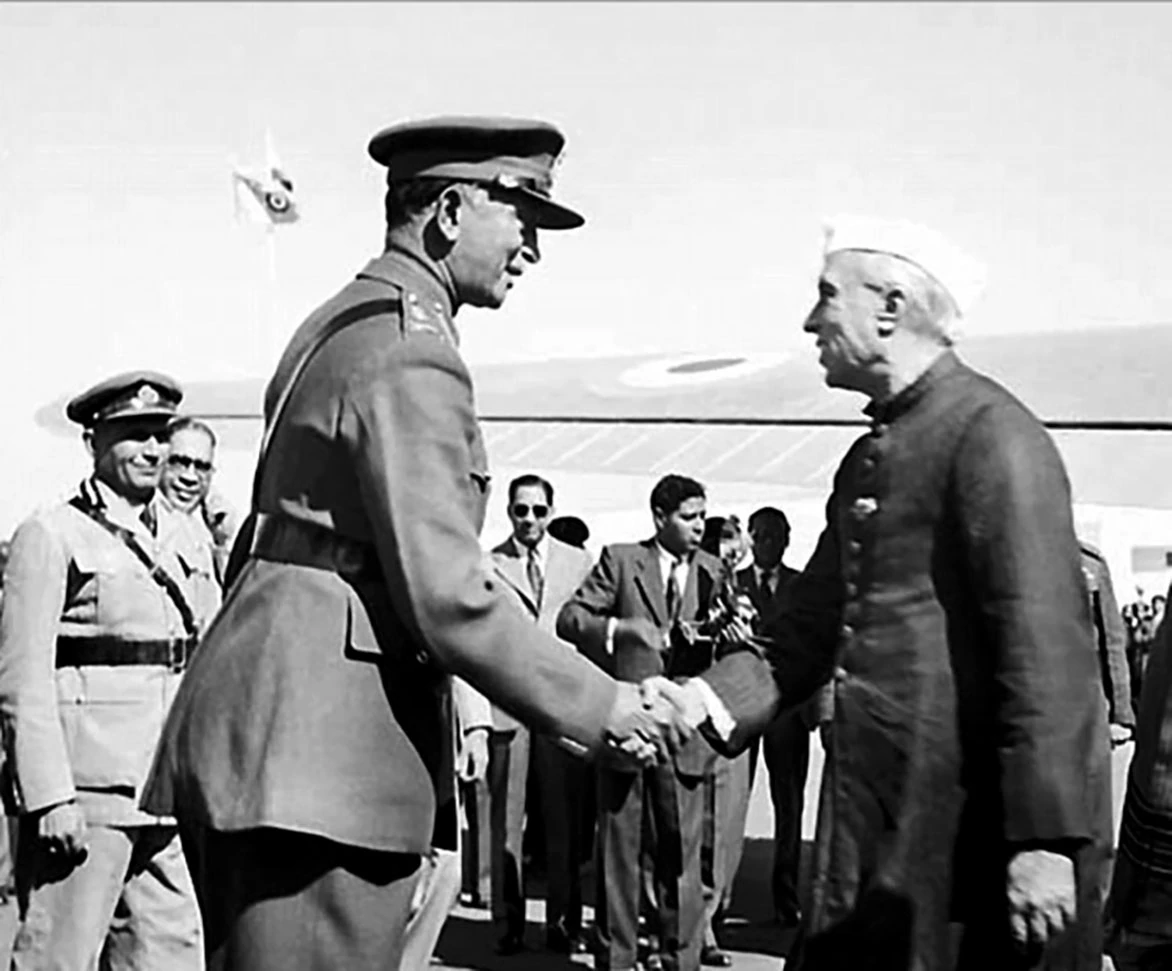 [Image Credit: Fauji Days]
Cariappa’s approach to leadership was defined by humility, inclusivity and respect for all ranks. As the Army Chief, he established new units such as the Brigade of the Guards and the Parachute Regiment, notable for being among the first units to recruit soldiers from all castes and classes—a step toward a truly representative national army.
His personal ethics were as formidable as his military strategy. During the 1965 Indo-Pak War, when his son—Air Marshal KC Cariappa—was taken as a prisoner of war, Cariappa reportedly refused preferential treatment, stating that his son was ‘the son of India’ and that all prisoners deserved equal treatment. This poignant moment revealed the depth of his commitment to duty over personal ties.
Legacy and Lasting Impact
 [Image Credit: Hindustan Times]
Cariappa retired from active service in 1953, but his influence continued to shape Indian defence policy. He served as High Commissioner to Australia and New Zealand, and remained an advocate for strengthening India’s defence capabilities. In 1986, in recognition of his extraordinary service, he was promoted to the honorary rank of Field Marshal, a distinction shared by only one other Indian soldier—Field Marshal Sam Manekshaw, MC.
 [Image Credit: Hindustan Times]
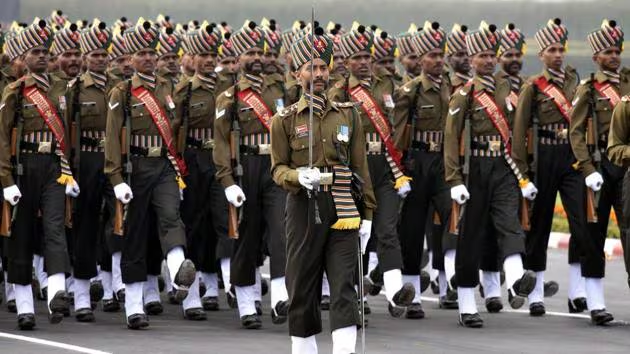
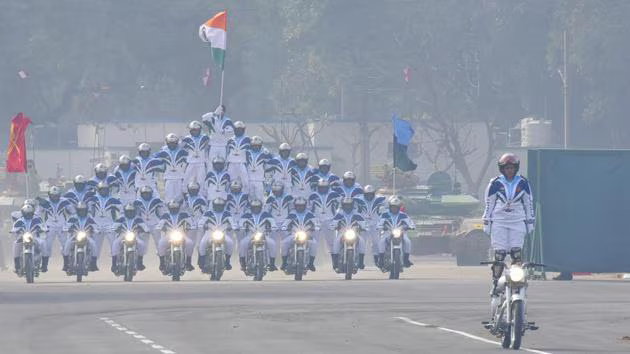
Today, Army Day is observed with military parades, exhibitions, and tributes to the fallen heroes. The main parade in Delhi’s Cariappa Parade Ground stands as a tribute to his legacy, showcasing the might and professionalism of formations that Cariappa once led.
More Than a Date on the Calendar
Army Day is more than an annual date — it is a reminder of a journey. A journey from colonial subjugation to sovereign command, from fragmented regiments to a unified army guarding the length and breadth of the nation. It is a day to remember not just Field Marshal KM Cariappa, but the collective spirit of all Indian soldiers who have stood firm in defence of the nation, often at great personal cost.
As India commemorates Army Day each January, it reaffirms its gratitude to those who wear the uniform with dignity, courage and an unwavering commitment to service before self — a legacy that Cariappa not only helped forge but lived each day of his life.
Your next read: Vijay Diwas 2025: Why 16 December Marks India’s Biggest Military Victory Against Pakistan
Related blogs

Understanding the Indian Army Ranks and Insignia: All You Need to Know
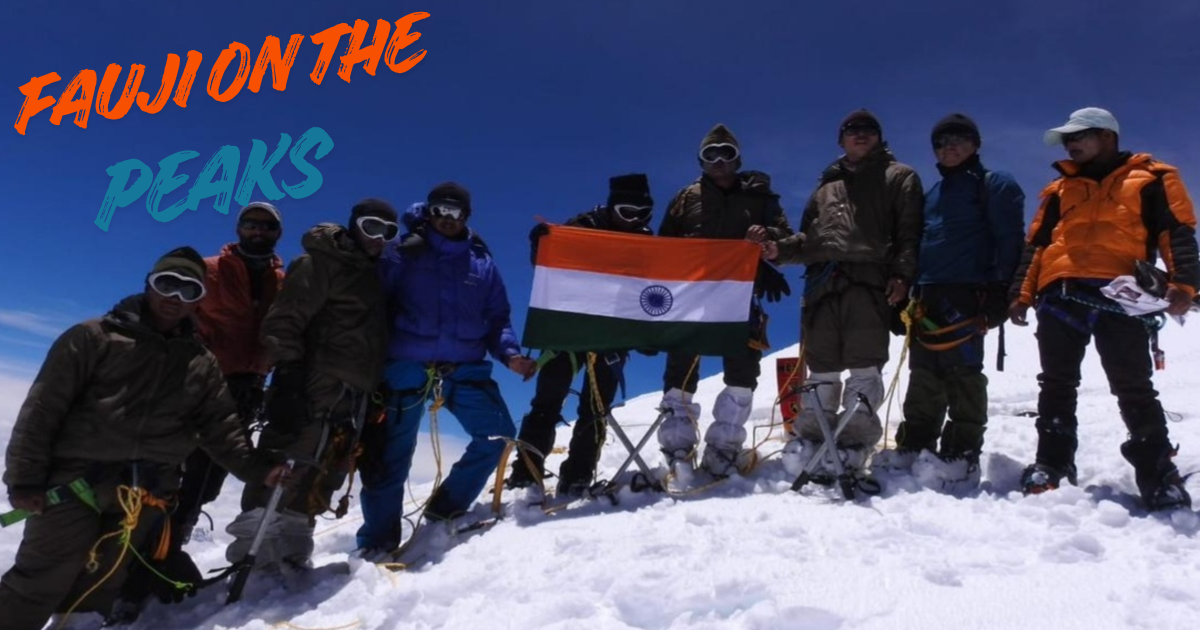
Fauji on the Peaks: Tales of Adventure, Endurance, and Army Mountaineers
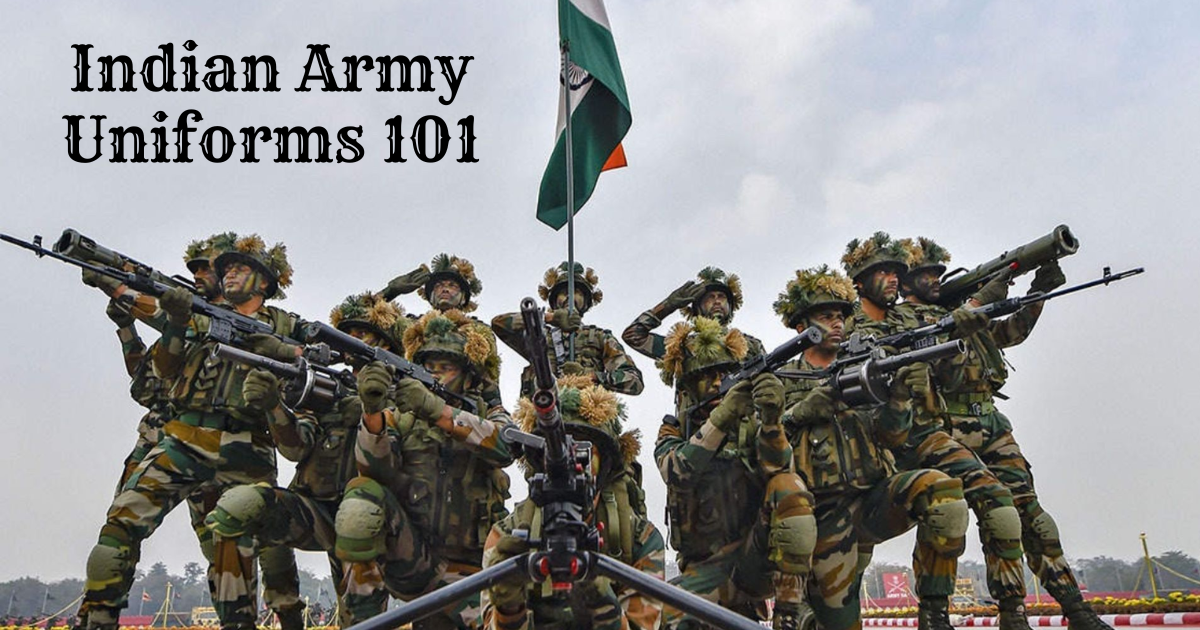
Indian Army Uniforms 101: Understanding Dress Codes, Ceremonial Wear, and Combat Gear