
Categories
- Articles

- Blogs and Op-eds
- News
- Quora Questions and More
Related Products
Ghayal Ghatak Poster



Related Books
Who Dares Wins: A Soldier's Memoir

7 Military Books That Teach Leadership Better Than MBA Textbooks
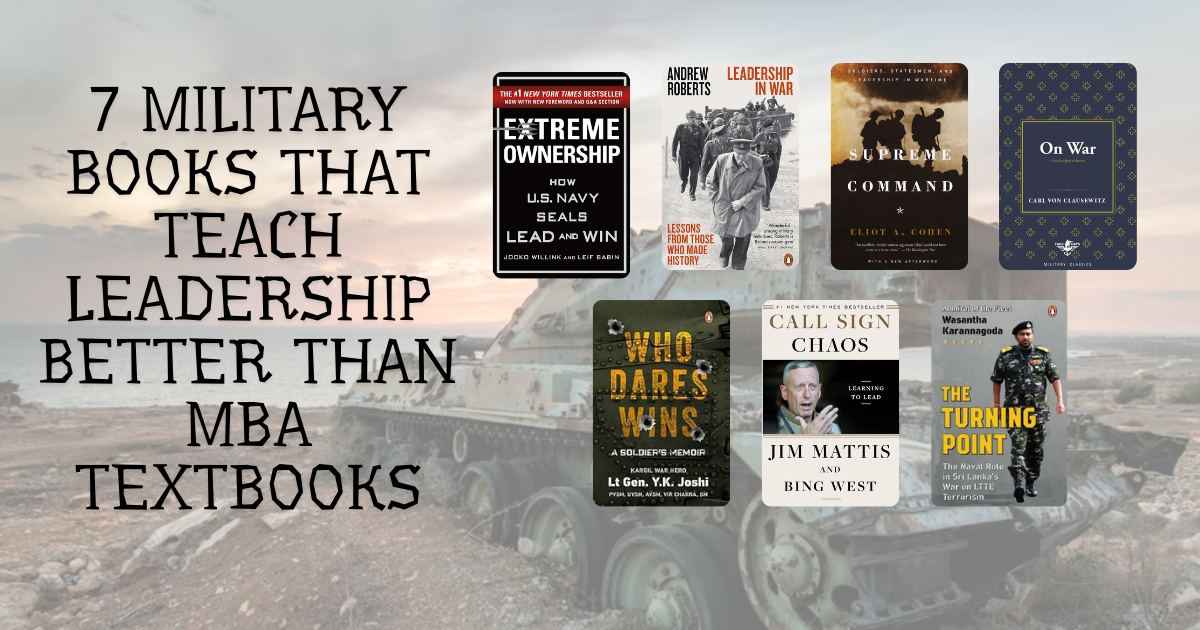 7 Military Books That Teach Leadership
When we think of leadership education, many of us picture business schools, strategy frameworks, and case-study discussions. Yet, some of the most enduring lessons on leadership emerge not from boardrooms but from battlefields—environments where pressure is immense, decisions are irreversible, and leadership is measured in survival and success.
Military leaders operate in conditions of chaos, uncertainty, and risk—situations far more volatile than those typically analysed in MBA textbooks. Their experiences strip leadership down to its most essential elements: trust, accountability, clarity, and courage. These seven military books go beyond management theory and offer powerful lessons that apply to business, relationships, and personal growth alike.
Also read: Army Day Special: 7 Books That Help You Understand the Uniform and the Men Behind It
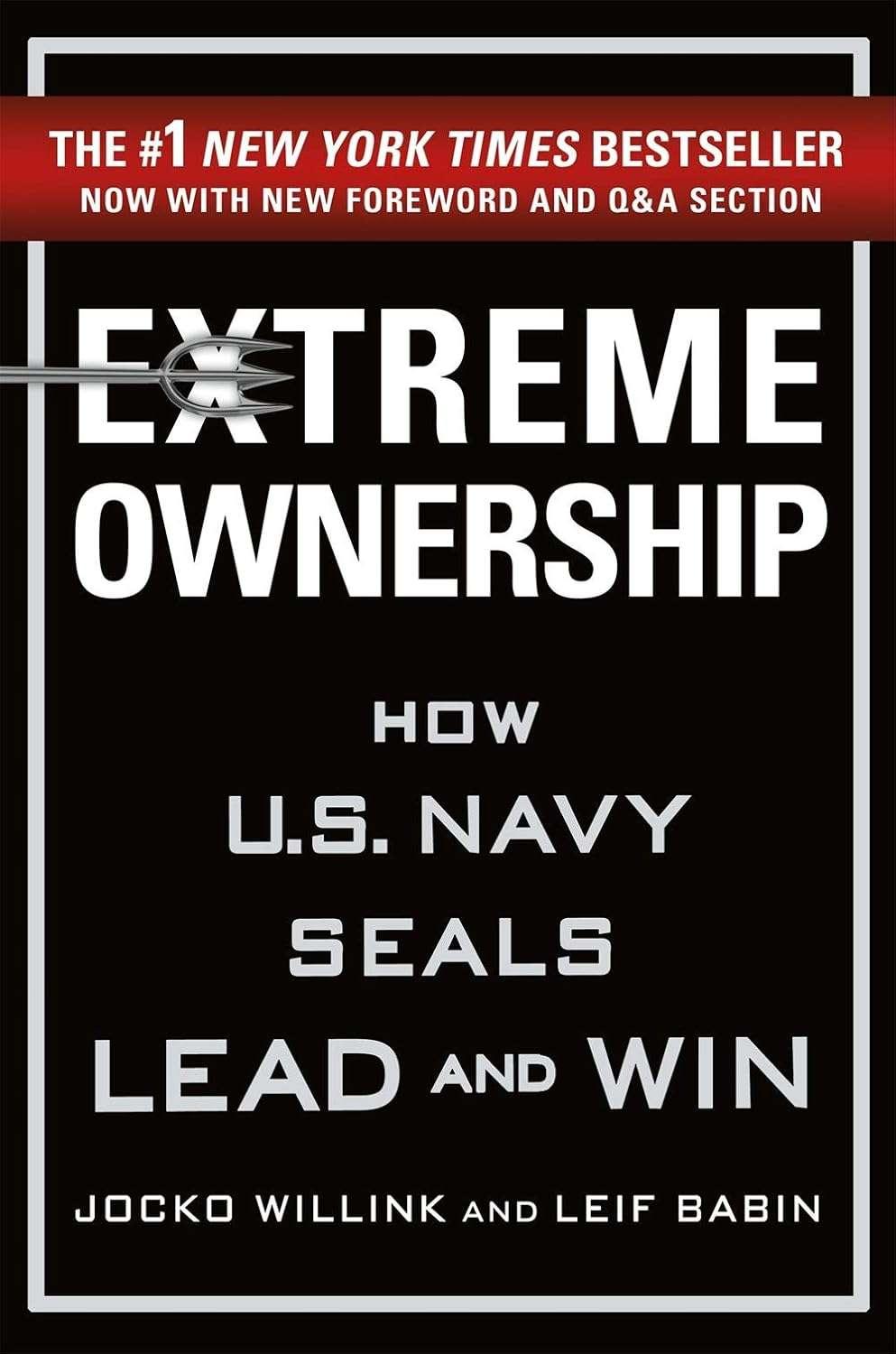
1. Extreme Ownership: How U.S. Navy SEALs Lead and Win by Jocko Willink & Leif Babin
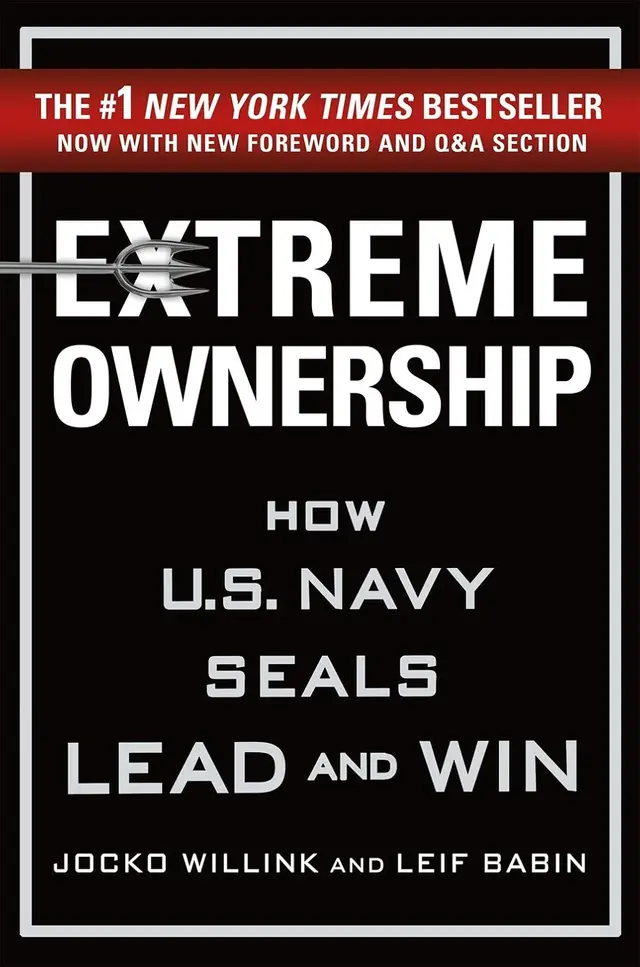
Written by former Navy SEAL officers Jocko Willink and Leif Babin, Extreme Ownership has become a modern leadership classic. Drawing from their experiences leading SEAL teams in Iraq, the authors illustrate how successful missions depended entirely on leaders taking full responsibility—even for failures caused by team members or circumstances beyond their control.
What makes this book particularly impactful is its structured approach. Each chapter begins with a real combat scenario, followed by a leadership principle, and ends with its application in business environments. This makes the book highly practical and relatable, even for readers outside military or corporate settings.
The authors emphasise that leaders must foster a culture where accountability replaces blame. When leaders own mistakes openly, teams become more cohesive, transparent, and solution-driven. The book also explores balancing leadership — being decisive yet open to feedback, confident yet humble.
Leadership lesson: Ownership builds trust, and trust builds high-performing teams.
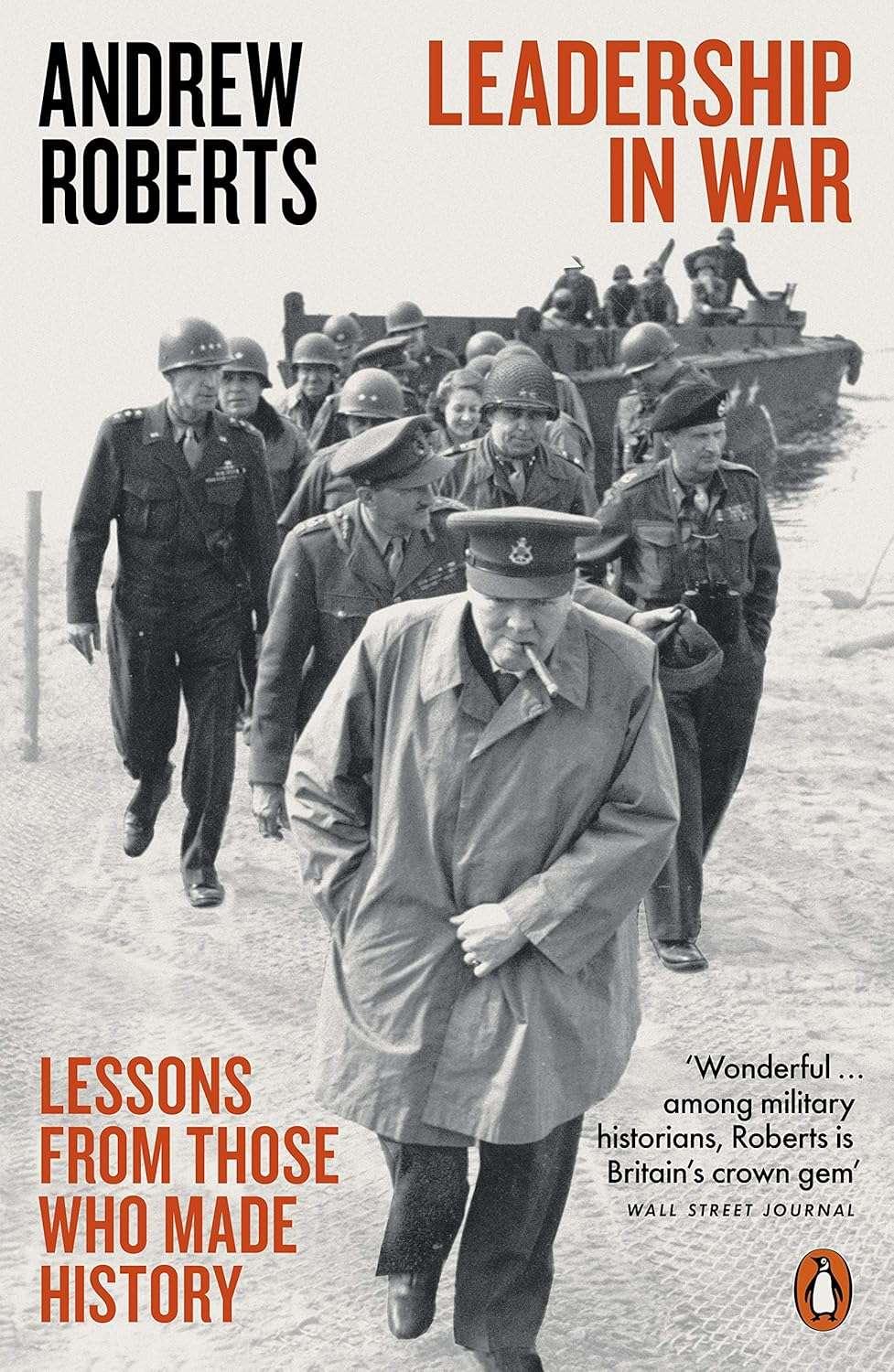
2. Leadership in War: Lessons From Those Who Made History by Andrew Roberts
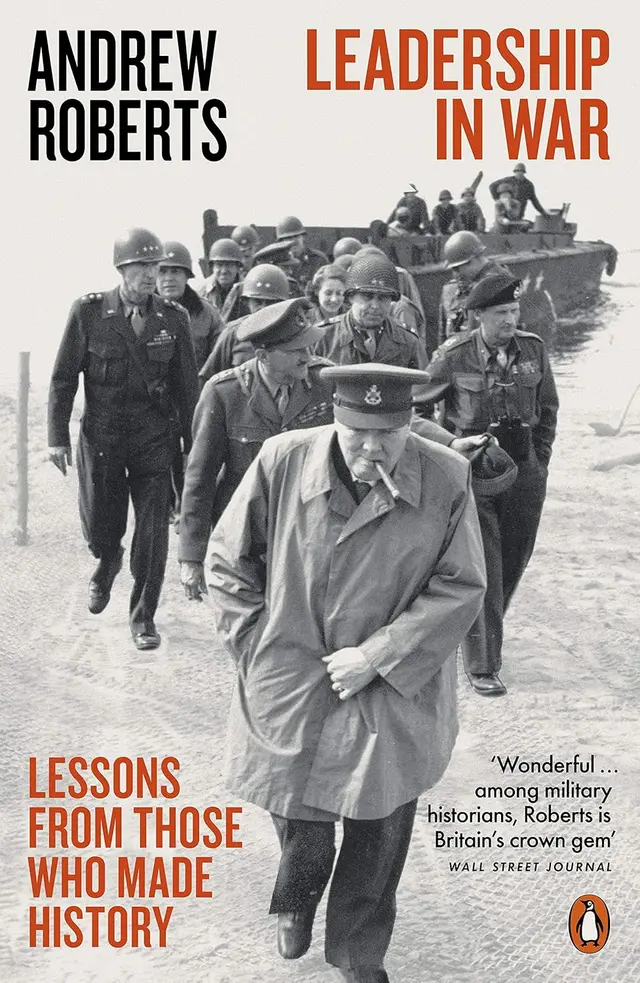
Andrew Roberts, a renowned historian, examines the leadership styles of iconic wartime figures, including Napoleon Bonaparte, Winston Churchill, Dwight Eisenhower, and Margaret Thatcher. Rather than presenting them as flawless heroes, Roberts carefully dissects their strengths, failures, and leadership instincts during critical historical moments.
Leadership in War highlights how effective leaders shape narratives, inspire morale, and maintain resilience during national or organisational crises. For example, Churchill’s ability to communicate hope during World War II demonstrates how powerful messaging can sustain teams even during bleak situations.
Roberts also shows that leadership evolves with circumstances. Some leaders succeeded because they adapted their style, while others failed because they remained rigid. Through historical storytelling, the book illustrates how emotional intelligence, timing, and decisiveness often outweigh technical brilliance.
Leadership lesson: Great leadership combines vision, communication, and adaptability.
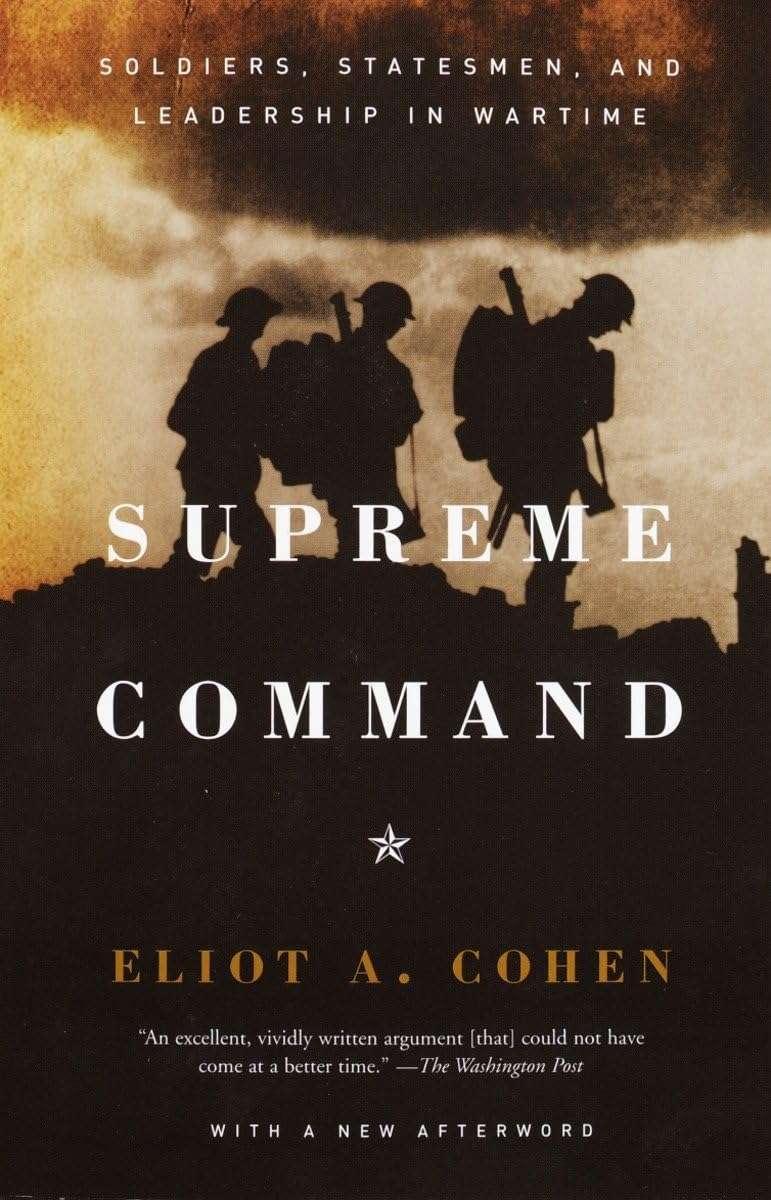
3. Supreme Command: Soldiers, Statesmen, and Leadership in Wartime by Eliot A Cohen
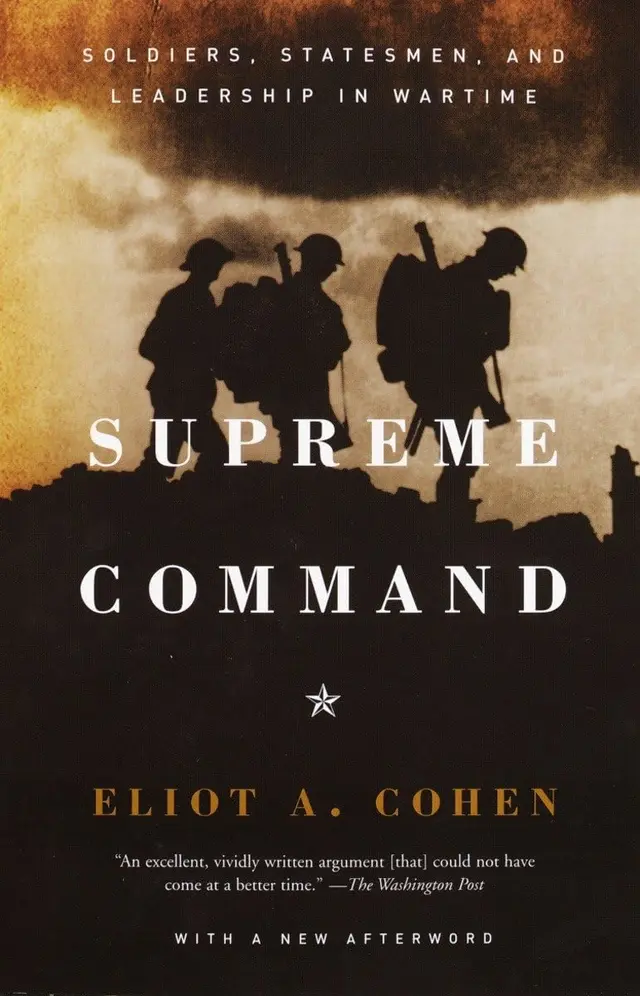
Eliot Cohen explores a rarely discussed dimension of leadership—the relationship between military commanders and political leaders. By analysing figures like Abraham Lincoln, Winston Churchill, Georges Clemenceau, and David Ben-Gurion, Cohen reveals how successful wartime leadership required collaboration between strategic vision and operational execution.
Supreme Command challenges the common assumption that leaders must operate independently. Instead, Cohen demonstrates that strong leadership often involves managing complex relationships, balancing authority with consultation, and maintaining accountability across multiple levels of decision-making.
One of the book’s strongest contributions is its exploration of civil-military tension. Cohen shows how effective leaders actively engage with advisors, question assumptions, and remain involved in critical decisions rather than delegating blindly.
Leadership lesson: Strategic leadership thrives when vision and execution work together through collaboration and dialogue.
4. On War (Fauji Days Military Classics) by Carl von Clausewitz

Carl von Clausewitz’s On War remains one of the most influential works on strategy ever written. Although originally focused on warfare, its insights into uncertainty, human behaviour, and decision-making have shaped leadership thinking across industries.
Clausewitz introduces concepts such as the “fog of war,” describing how incomplete information and unpredictable circumstances complicate decision-making. In today’s rapidly changing business environment, this concept feels remarkably relevant. Leaders rarely have perfect information — they must act decisively despite ambiguity.
The book also explores the idea that conflict is not purely tactical but deeply psychological and political. Clausewitz emphasises understanding motivation, morale, and emotional dynamics, reminding readers that leadership is as much about human insight as strategic planning.
While intellectually dense, On War encourages readers to think deeply about complexity rather than seeking simplified solutions.
Leadership lesson: Strong leaders recognise uncertainty as inevitable and develop strategies that remain flexible and resilient.
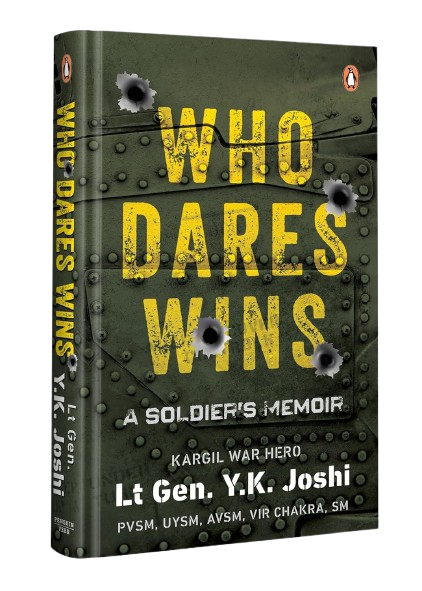
5. Who Dares Wins: A Soldier’s Memoir by YK Joshi
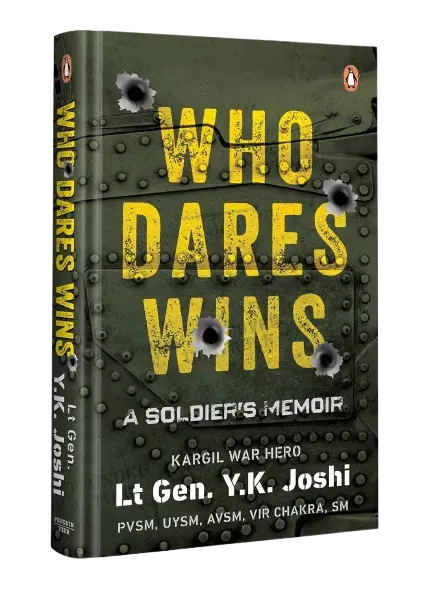
Lieutenant General YK Joshi offers a gripping and personal narrative of life in the Indian Army. Through his experiences in high-risk operations and frontline leadership, Joshi provides readers with a deeply human perspective on command, responsibility, and sacrifice.
Unlike theoretical leadership books, Who Dares Wins immerses readers in the emotional reality of military leadership. Joshi describes how decisions must often be made within seconds, with limited resources and enormous consequences. His writing highlights how leadership relies heavily on trust — between officers and soldiers, and within teams operating under extreme stress.
The memoir also explores mentorship and character development. Joshi demonstrates how effective leaders nurture future leaders by sharing knowledge, empowering teams, and building confidence in subordinates.
Leadership lesson: Leadership is rooted in trust, mentorship, and the willingness to stand with your team in adversity.
6. Call Sign Chaos: Learning to Lead by Jim Mattis & Bing West
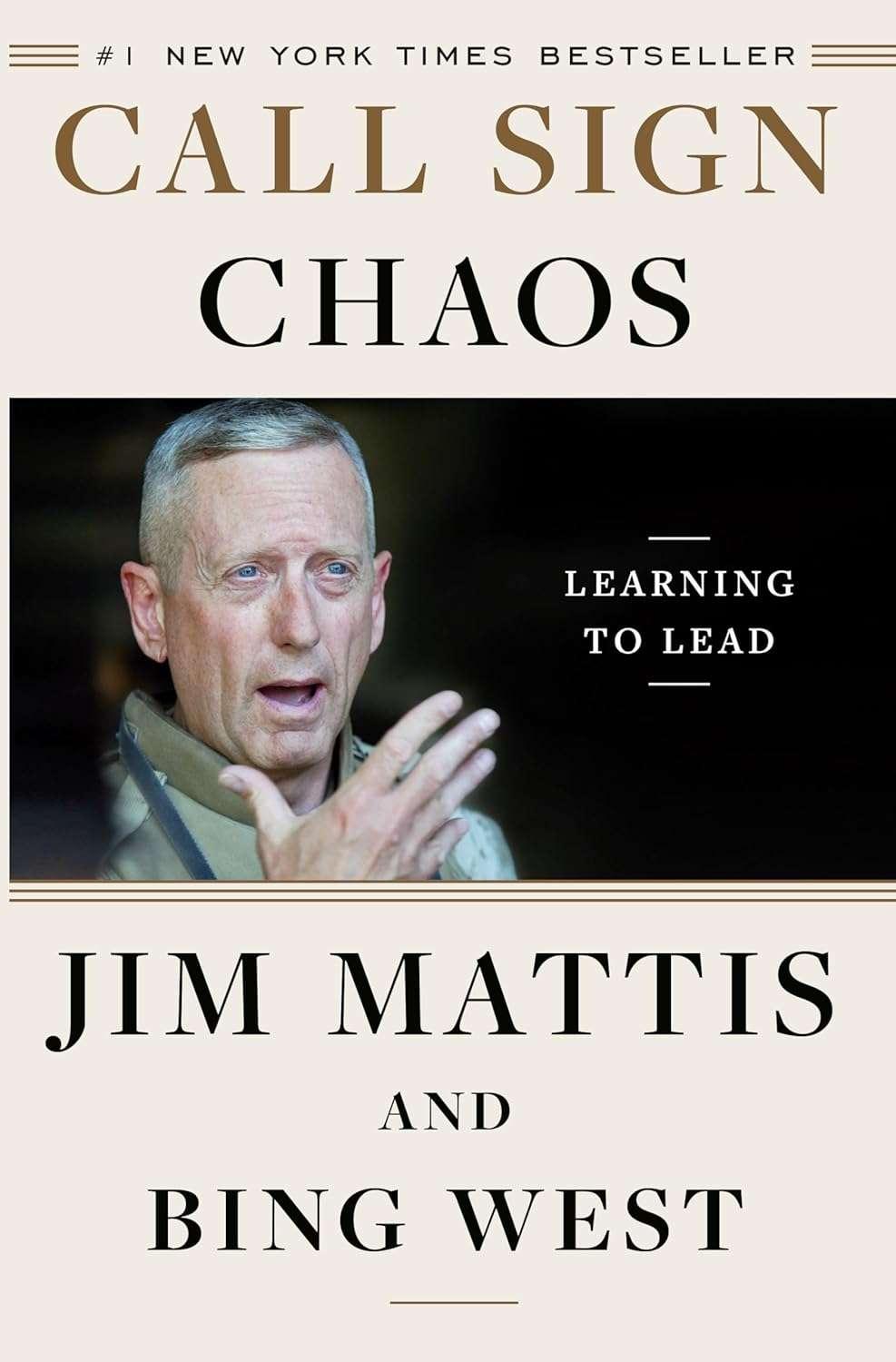
General Jim Mattis, one of the most respected military leaders in modern history, reflects on his four decades of service in this insightful memoir. Divided into three sections—Direct Leadership, Executive Leadership, and Strategic Leadership—Call Sign Chaos traces how leadership responsibilities evolve over time.
Mattis strongly emphasises intellectual preparation and lifelong learning. He famously advocates reading extensively to understand human behaviour, history, and strategy. His belief is simple yet powerful: leaders who study widely make better decisions.
The book also underscores the importance of leading by example. Mattis shares stories of walking among troops, listening to concerns, and demonstrating visible commitment. His leadership style blends discipline with empathy, showing that effective leadership requires both strength and understanding.
Leadership lesson: Leadership evolves with experience, but its foundation remains continuous learning and genuine care for people.
7. The Turning Point by Wasantha Karannagoda
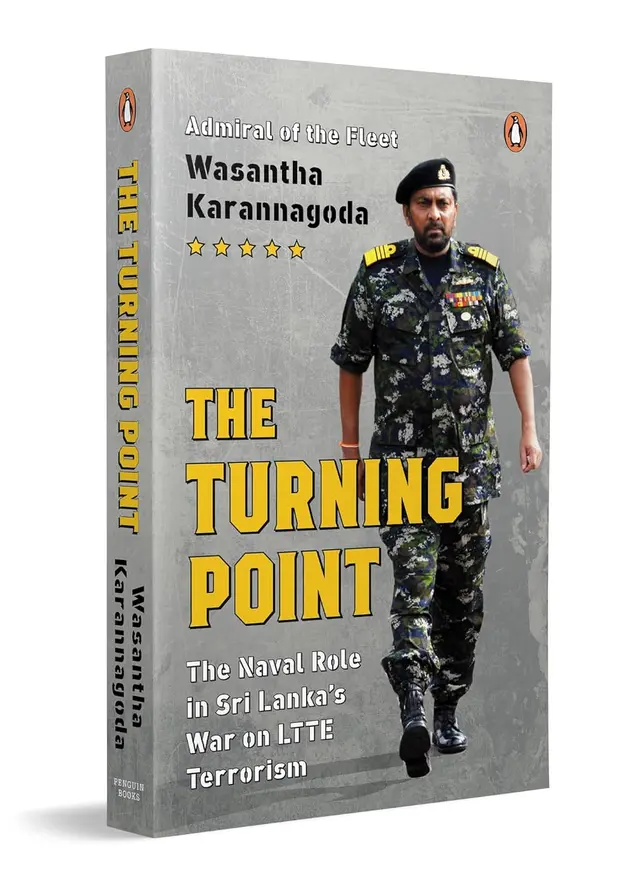
Wasantha Karannagoda’s The Turning Point focuses on critical moments that redefine leadership journeys. Drawing from his naval career, the book examines how leaders navigate transformation, crisis, and large-scale operational challenges.
Karannagoda’s narrative highlights how leadership often emerges during pivotal decisions that reshape outcomes. The book demonstrates that successful leaders recognise opportunities within crises and remain composed while implementing bold strategies.
Another important theme is resilience. Karannagoda illustrates how setbacks, failures, and resistance often precede breakthroughs. His experiences show that leadership requires emotional endurance and the ability to maintain focus during prolonged challenges.
Leadership lesson: Leadership is defined by how individuals respond to moments of crisis and transformation.
Why Military Books Often Surpass MBA Textbooks
While MBA programs offer structured models and theoretical frameworks, military leadership books provide lessons forged in real-life, high-stakes environments. They focus on human behaviour, moral responsibility, and decision-making under extreme pressure — elements that traditional business education sometimes overlooks.
These books collectively emphasise:
- Accountability over blame
- Clarity over complexity
- Courage over comfort
- Adaptability over rigid planning
Military leadership reminds us that leadership is not about authority — it is about responsibility, character, and service.
If you are looking to strengthen your leadership mindset, these military books offer timeless wisdom that extends far beyond the battlefield and into every aspect of professional and personal life.
Your next read: Waiting for Border 2? These 7 Indian Armed Forces Films Deserve a Rewatch
Related blogs

10 Most Powerful Indian Army Quotes on Duty, Honour and Sacrifice
The Difference Between Celebration and Commemoration: A Thoughtful Perspective

7 Must-Read Books on Geopolitics for Understanding India and the World